
The Quiet Tech Revolution Behind Everyday Deliveries
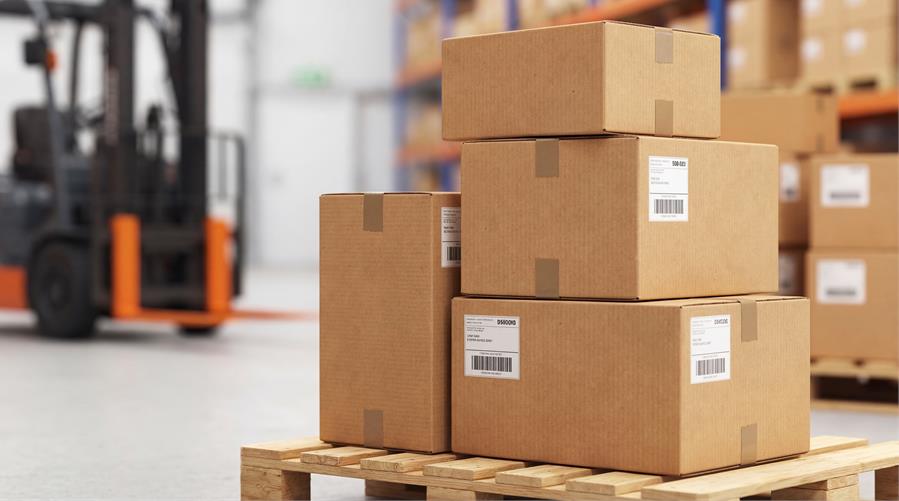
Every day, millions of items move from one location to another.
Furniture travels between cities, packages arrive at doorsteps, and large items are transported across long distances. While the process often seems simple from the outside, there is a growing technological revolution quietly transforming how deliveries happen.
Many people only see the final result: an item arriving safely at its destination. What they rarely notice is the complex digital infrastructure working behind the scenes. From online transport marketplaces to route optimization software, here’s how modern technology is reshaping logistics in ways that make deliveries faster, more affordable, and more efficient.
Online Platforms Changing How Items Move
One of the biggest shifts in the delivery world has been the rise of online platforms that connect people who need items moved with transport providers already traveling similar routes. Instead of contacting multiple companies individually, users can now post their delivery request on a single platform and receive quotes from different transport providers.
This approach simplifies the entire process. Customers can compare prices, check feedback from previous deliveries, and choose the option that best fits their timeline and budget. At the same time, transport providers gain access to more shipping opportunities, helping them fill unused vehicle space and avoid unnecessary empty journeys.
Platforms such as Shiply demonstrate how this digital model works in practice, bringing together people who need items transported with car transporters in San Antonio.
Smarter Route Planning Through Technology
Another key development in modern deliveries is the use of smart route planning tools. In the past, delivery routes were often planned manually or based on basic mapping tools. Today, logistics technology can analyze multiple factors at once to determine the most efficient path.
Advanced systems can consider traffic patterns, delivery time windows, road conditions, and vehicle capacity. By processing this information, the software can create optimized routes that reduce travel time and avoid unnecessary detours.
This technology helps drivers complete more deliveries in a single trip while reducing fuel consumption. For customers, the result is quicker and more reliable delivery schedules.
Data Driving Better Logistics Decisions
Modern delivery systems also rely heavily on data. Every shipment creates valuable information that companies can use to improve operations. Data about travel times, delivery success rates, and driver performance helps logistics platforms refine how shipments are planned and executed.
With better data insights, transport providers can identify patterns that improve efficiency. For example, certain routes may consistently perform better at specific times of day, or certain delivery strategies may reduce delays. Over time, these insights help logistics systems become smarter and more responsive.
The use of data also improves transparency for customers. Many platforms now provide tracking updates and delivery progress notifications, allowing people to follow their shipment’s journey in real time.
Filling Empty Space on the Road
One of the biggest inefficiencies in traditional transport has always been unused vehicle capacity. Trucks, vans, and transport vehicles often travel with empty space, especially on return journeys after a delivery has been completed.
Technology is helping solve this problem by matching shipments with drivers who already plan to travel along a certain route. Instead of sending a dedicated vehicle for each shipment, platforms can connect customers with carriers who have available space.
This approach benefits everyone involved. Customers often find lower delivery prices, transport providers earn more from trips they were already planning to make, and fewer unnecessary journeys take place on the road.
A More Efficient Delivery Future
The technology shaping modern deliveries often operates quietly in the background. Customers may only notice that arranging transport has become faster, easier, and more transparent than it used to be.
Behind the scenes, digital marketplaces, route optimization tools, and data-driven logistics systems are continuously improving how goods move from place to place. As these technologies continue to develop, deliveries will likely become even more efficient and accessible.
What once required multiple phone calls and complicated arrangements can now be handled within minutes online. This quiet technological revolution is steadily transforming everyday deliveries, making the process smoother for both customers and transport providers.


Posted by inGenium Ltd

iNGENIUM Ltd. is an software development company from EU which delivers a full range of custom .NET, web and mobile solutions for different business to meet partner's demand.
The Power of Imagination Makes Us Infinite
Related Posts


Struggling to get your profile noticed no matter how often you post?

Imagine craving a beef burger really badly. So, you end up searching all the nearby restaurant options. What is the one thing that helps you decide where to order from?

The growth of digital advertising has unlocked countless opportunities but also introduced significant risks for modern marketing teams.
Few things test your patience quite like a printer that refuses to cooperate when you're in a rush.

Staffing shortages are squeezing hotels on both sides of the Atlantic.







Comments
comments powered by Disqus